10 SIKH GURU SAHIBAN
Sikhism recognizes ten human Gurus, from Guru Nanak Dev JI to Guru Gobind Singh Ji. After the 10th Guru, the spiritual Guru of sikhism was vested in Sri Guru Granth Sahib Ji, the eternal Guru of the Sikhs, as said by Guru Gobind Singh ji that after them there will be no human guru for the sikhs. Every sikh must honour Sri Guru Granth Sahib Ji as their eternal Guru and everyone must lived under their Hukum.
Sr. No.
1.
2.
3
4.
5.
6
7.
8
9.
10.
Name of the Guru
GURU NANAK DEV JI (1469-1539)
GURU ANGAD DEV JI (1504-1552)
GURU AMARDAS JI (1479-1574)
GURU RAMDAS JI (1534-1581)
GURU ARJAN DEV JI (1563-1606)
GURU HARGOBIND SAHIB JI (1595-1644)
GURU HAR RAI SAHIB JI (1630-1661)
GURU HARKRISHAN SAHIB JI (1656-1664)
GURU TEGH BAHADUR SAHIB JI (1621-1675)
GURU GOBIND SINGH JI (1666-1708)
Major contributions
Founded Sikhism
Developed and promoted Gurmukhi & preserved gurbani.
Institutionalised Langar concept & equality.
found Amritsar, introduced masand system, composed Laavan( Anand- karaj)
compiled Adi Granth, authored Sukhmani sahib & developed Harmander Sahib
Built Akal Takht sahib, Miri-Piri philosophy, communal harmony, military organization
promoted compassion, service and care for nature
selfless service, sacred pool at Bangla Sahib, compassion & service to sick
gurbani compositions, martyred for religious freedom
founded Khalsa Panth,authored Dasam Granth, military leadership, established Guru Granth Sahib Ji as eternal Guru.
Parents
Mehta Kalu & Mata Tripta Ji.
Baba Pheru Mal & Mata Daya kaur ji
Tej Bhan Bhalla & Bakht Kaur ji
Bhai Hari Das & Mata Daya Kaur
Guru Ramdas Ji & Mata Bhani ji
Guru Arjan Dev Ji & Mata Ganga JI
Baba Gurditta ji& Mata Nihal Kaur Ji
Guru Har Rai ji & Mata Krishan Kaur Ji
Guru Hargobind Sahib Ji & Mata Nanaki Ji
Guru Tegh Bahadur Sahib JI & Mata Gujri Ji.
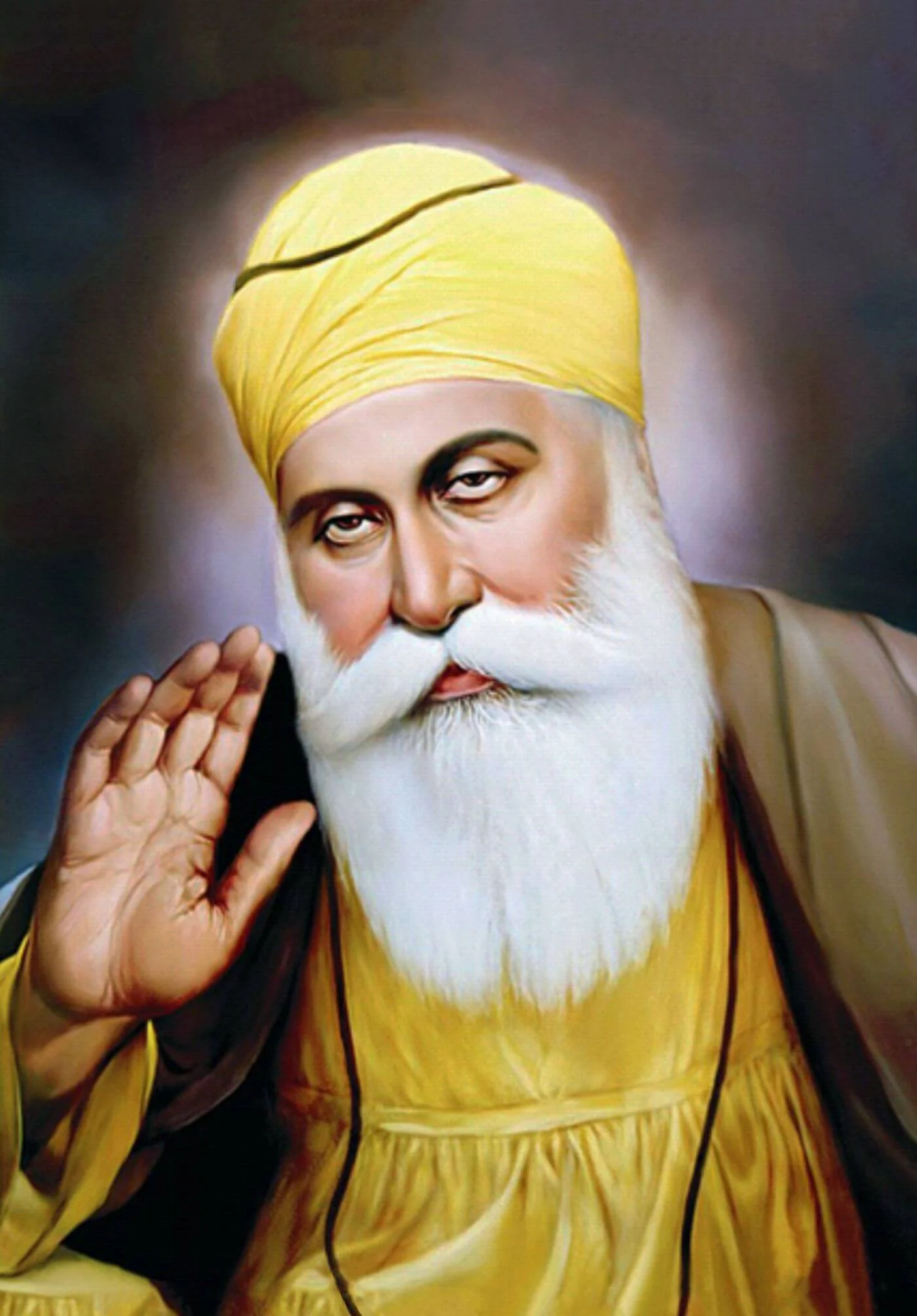
1.GURU NANAK DEV JI
(Founder of Sikhism)
Born:1469, Rai Bhoi di Talwandi now in pakistan as Nankana sahib
Parents: Mehta Kalu ji & Mata Tripta Ji
Sister: Bebe Nanaki Ji( early supporter)
Spouse: Mata Sulakhni Ji
Successor: Guru Angad Dev Ji
Principles: Naam japna, Kirat Karni, vand chhakna
Early Life & their teachings:
- From early age, Guruji was connected with spirituality, truth & humanity. Guruji always questioned social inequality, caste discrimination and religious divisions
- Guruji spread message of “IK ONKAR” that all people belongs to one human family and GOD IS ONE.
Major contributions:
- Established Kartarpur Sahib
- composed hymns that become part of Guru Granth Sahib Ji
- remove caste differences and discrimination against women
- travelled widely to share their journeys that are remembered as Udasis.
- emphasize one God, equality, honest living and selfless service.
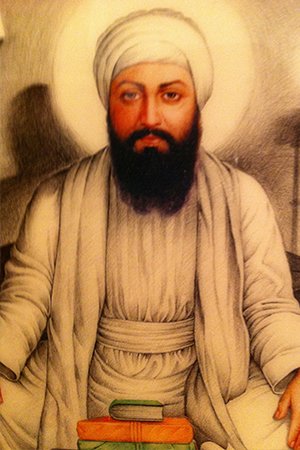
2. GURU ANGAD DEV JI
Born: Matte-di-Sarai, muktsar district, punjab, India
parents: Bhai Pheru Mall ji & Mata Ramo/Mata Daya kaur ji
spouse: Mata Khivi Ji
Successor : Guru Amar Das ji
Principles: Submission to Divine Will ( hukam), equality, selfless service, education & holidtic well-being.
Early Life & Teachings:
- Birth name was Bhai Lehna Ji, was a religious man who met Guru Nanak Dev Ji & impressed by their teachings and dedicated himself to serving them.
- focussed on spiritual discipline, practical living, equality and upliftment of the the community
- Equality through Langar
Major contributions:
- Development and promotion of Gurmukhi
- preservation of Guru Nanak’s Teachings.
- Encouraged learning , discipline & physical exercise, universal education.
- composed 62 to 63 salokas that were later integrated into Guru Granth Sahib Ji by Guru Arjan Dev Ji.
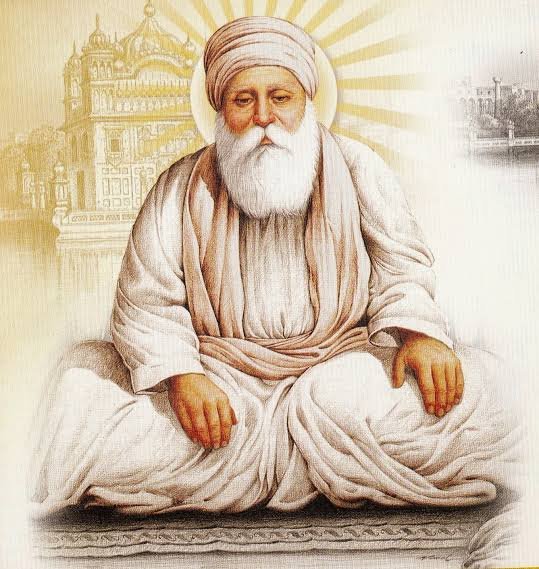
3.GURU AMAR DAS JI
Born: 1479,Basarke, Amritsar , Punjab
Parents: Tej Bhan Bhalla & Mata Bhakth kaur ji
Spouse: Mata Mansa Devi Ji
Successor: Guru Ramdas Ji
Principles: “Equality through Pangat before Sangat”, women’s empowerment, spiritual discipline & daily conduct
Early Life & Teachings:
- Become follower of Guru Angad Dev Ji after many years of religious searchings.
- Guruji always served with humility & dedication
- Their life demonstrates that learning & spiritual growth can begin at any age
Major contributions:
- Strengthening the langar system
- spread sikh teachings to different regions called manjis.
- opposed the practices of pardah & Sati and supported participation of women in religious and community life.
- first major sikh pilgrimage site Baoli Sahib (84 steps) was constructed in Goindwal sahib, Taran Taran ,punjab
- composed sacred hymns
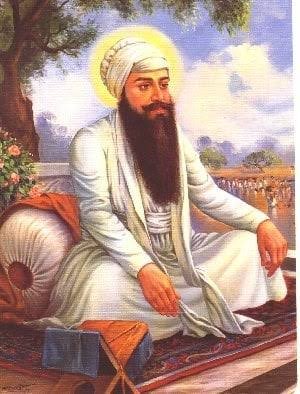
4. GURU RAMDAS JI
Born: 1534, Lahore, Pakistan
parents:Bhai Hari Das Ji & Mata Daya kaur ji
spouse: Bibi Bhani Ji
Successor: Guru Arjan Dev Ji
Principles: Humility, selfless service, universal love.
Early Life & Teachings:
- early name was Jetha, mother father passed away at young age
- was having very humble livelihood and the spirit of sharing
- Spiritual Blueprint for daily life ( naam japna)
- they said that true spiritual freedom is found by living within society
Major contributions:
- break caste barriers and promote social equality
- spiritualize human relationships (Anand Karaj)
- established a city, Ramdaspur, today known as city of Amritsar.
- Institutionalisation of langar system
- composed hymns that are included in Guru Granth Sahib Ji
5. GURU ARJAN DEV JI
Born: 1563, Goindwal Sahib, Taran Taran district, punjab
Parents: Guru Ramdas ji & Mata Bhani Ji , grandson of Guru AmarDas ji
Spouse: Mata Ganga Ji
Successor: Guru Hargibind Sahib JI
Principles: Universal equality, spiritual devotion, martyrdom for truth
Early Life & Teachings:
- from early age Guruji was quiet, compssionate & deeply devoted.
- received training in classical music ( saranda), horse riding, spear throwing & spiritual teachings
- Their Teachings guide followers to overcome five vikaars( Kaam, Krodh, Lobh, Moh & Ahankar
- Emphasized on One God ( naam simran )paired with nimarta ( humility) & acceptance of divine will( hukum)
Major contributions:
- Compiled Adi- Granth
- expanded the tradition of Langar concept & Dasvandh System
- developed Harmandir sahib and Invited the Sufi Saint Mian Mir Ji of Lahore to lay the foundation stone of Harmandir Sahib
- Martyrdom in 1606, was a turning point in sikh history as it placed greater emphasis on community;s ability to defend against oppression.
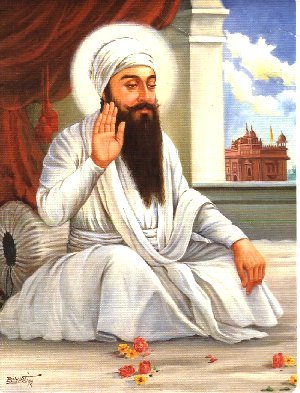
6. GURU HARGOBIND SAHIB JI
Born: 1595, Guru Ki Wadali, Amritsar
Parents: Guru Arjan Dev Ji & Mata Ganga Ji
Spouse: Mata Damodari Ji, Mata Nanaki Ji, Mata Marvahi Ji
Successor: Guru Har Rai Sahib Ji
Principles: Miri and Piri, Sant Sipahi Ideal, Liberation of Oppressed, discipline and daily practice
Early Life & Teachings:
- Grew up in the atmosphere of spirituality, discipline, compassion & service
- Miri-Piri: Balance between spirituality & worldly Responsibility
- encouraged to defend the innocent
- Stand against Injustice
- equality & service to Humanity
- leadership & responsibility
Major contributions:
- Established Sri Akal Takht Sahibin 1609
- strengthened the sikh community and encouraged martial training
- spread sikh teachinngs
- Bandi Chhor Divas: release of 52 captive Rajput princes
- founded the town Kiratpur Sahib and Sri Guru Ki Maswwe( a mosque)
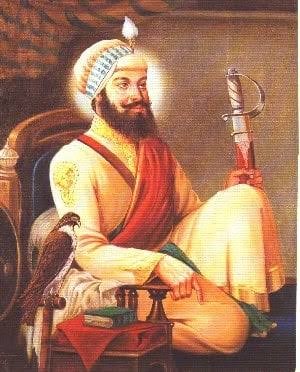
7. GURU HAR RAI SAHIB JI
Born: 1630, Kiratpur sahib, Punjab
Parents: Baba Gurditta Ji & Mata Nihal Kaur Ji, grandson of Guru Hargobind Sahib Ji
Spouse: Mata Sulakhni Ji
Successor: Guru Harkrishan Sahib Ji
Principles: kindness towards all beings, balanced peace & strength, reverence for nature and life
Early Life & teachings:
- was sensitive 7 tender- hearted child
- grew up under the guidance of his grandfather Guru Hargobind Sahib Ji
- Taught: “Everyone’s heart is a jewel, it’s not good to break it. If you wish to see the beloved lord, never hurt anyone’s feelings”
- propagate sikhi by establishing 360 Sikh missionary seats across India to spread the teachings of Guru Nanak
- excommunicated his elder son Ram Rai after he altered Sacred Gurbani to please Mughal Emperor Aurangzeb
Major Contributions:
- Built a fort at Patalgarh near Kiratpur sahib to store arms and provisions
- supported Dara Shikoh by provinding full political & medical support during the war
- established free herbal Ayurvedic Dispensary
- Initiate community kitchen also provide free medical care to those in need
- continued the martial tradition of grandfather by keeping a disciplined standing army of 2200 mounted soldiers at a time
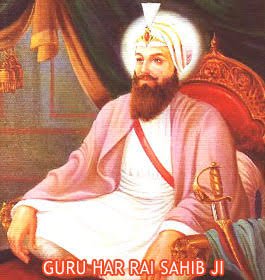
8. GURU HARKRISHAN SAHIB JI
Born: 1656, Kiratpur Sahib, Punjab
Parents: Guru Har Rai Sahib Ji & Mata Sulakhni Ji
Successor: Guru Tegh Bahadur Ji
Principles: selfless aervice, humility, divine wisdom & acceptance of divine will
Early Life & Teachings:
- known as Bala Pritam ( the child saint)
- became guru at the age of 5 in 1661
- Instructed everyone to follow One God , let go of ego and passions
- when a severe outbreak of smallpox and cholera hit delhi in 1663, the young guru visited the sick without discrimination and offer them food, medicines and comfort,
Major contributions:
- The historic site Gurdwara Bangla Sahib where millions seek spiritual healing was blessed by Guru ji a local water resource, that cured thousands of diseased citizens.
- supreme sacrifice of humanity by taking the sufferings of people upon himself contacted smallpox and passed away
- Before passing uttered the words ” Baba Bakala”indicating the next Guru
- Guru ji placed stick over the head of unlettered water carrier boy named Chajju Ram, by guru ji’s grace he explained complex sanskrit verses of Bhagvad Gita proving that divine light shines equally within everyone.
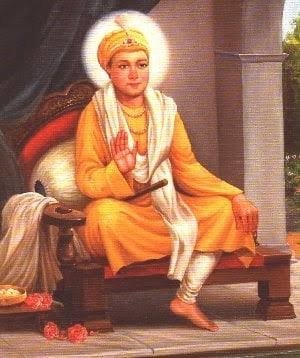
9. GURU TEGH BAHADUR JI
Born:1621, Gurdwara Guru ke Mehl, Amritsar, Punjab
Parents: Guru Hargobind sahib ji & Mata Nanaki Ji
Spouse: Mata Gujri Ji
Successor: Guru Gobind Singh Ji
Principles: religious freedom( Hind Di Chadar), Fearlessness & courage, Naam simran
Early Life & teachings:
- studied Gurmukhi, Hindi, sanskrit under the guidance of Baba Budha Ji & Bhai Gurdas Ji
- learned war strategy from Bhai Bidhi Chand Jati Mal & swordsmanship from his father Guru Hargobind Sahib Ji
- Taught acceptance of life’s circumstances by seeing te divine as the sole doer of all things
- preached : “Give up your head but forsake not those whom you have undertaken to protect”
- Advised disciples to overcome Ego, Lust and Wrath
Major contributions:
- founded Chakk Nanaki , Anandpur sahib
- service to humanity
- contribution of sikh literature that become the part of Sri Guru Granth Sahib Ji
- spread spiritual teachings
- supreme sacrifice: 1675, executed in Delhi during the reign of mughal emperor Aurangzeb, refused to compromise principles known as HIND DI CHADAR, meaning” Shield Of India”
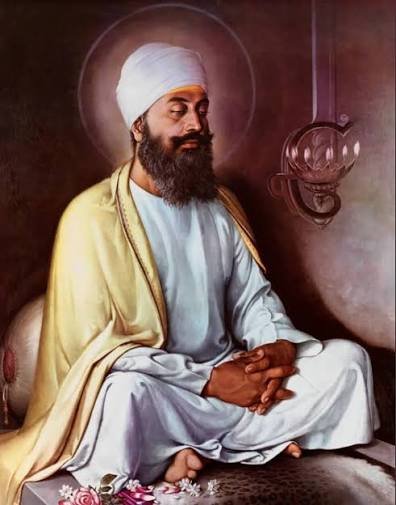
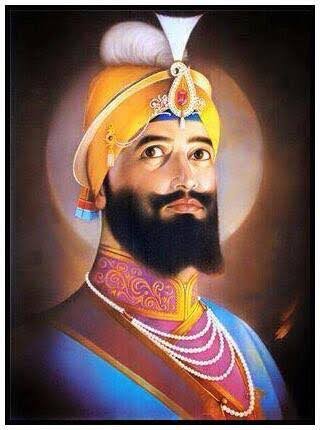
10. GURU GOBIND SINGH JI
Born: 1666, Patna, Bihar, India
Parents: Guru Tegh Bahadur Ji & Mata Gujri Ji
Spouse: Mata Jiti Ji, Mata Sundari Ji, Mata Sahib Devan Ji
Successor: Guru Granth Sahib Ji
Principles: spiritual, social & martial principles to guide humanity
Early life & teachings:
- Became Guru at the age of 9
- known for intelligence, courage & interest in learning
- studied punjabi, sanskrit, persian and braj, also learn portry & literature
- received training in horse riding, archery, swordsmanship and martial skills
- teached equality of all human beings
- courage and stand against injustice
- established 5 Ks.
Major contributions:
- established 5 pyaare & formed Khalsa Panth
- many literary compositions includes works with dasam granth
- Eternal Guruship of Guru Granth Sahib Ji
- Religious Freedom : every person is free to follow their faith
- encouraged the sikhs to fight for every weak and vulnerable
THE TEN GURUS TAUGHT PEOPLE TO LIVE TRUTHFUL LIFE, ALWAYS REMEMBER YOUR TRUE GOD , SERVE FOR HUMANITY, STOP ANY KIND OF DISCRIMINATION, ALL ARE ONE AND STAND AGAINST INJUSTICE.
THE TEN GURUS SHAPED SIKHISM OVER 240 YEARS APPROXIMATELY FROM GURU NANAK DEV JIs BIRTH IN 1469 TO GURU GOBIND SINGH JIs PASSING in 1708.EACH GURU CONTRIBUTED TO SPIRITUAL, SOCIAL AND HISTORICAL DEVELOPMENT OF SIKH COMMUNITY.
THE TEACHINGS OF GURBANI, TRADITION OF LANGAR , DASVANDH SYSTEM, THE KHALSA PANTH FORMATION, ESTABLISHING GURUDWARAS AND THE ETERNAL GURUHIP OF SRI GURU GRANTH SAHIB JI.
” WAHEGURU JI KA KHALSA WAHEGURU JI KI FATEH”