

Introduction to Sikhism
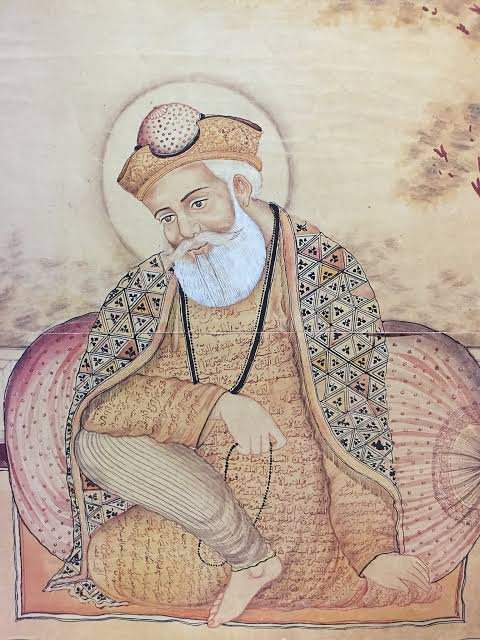
Sikhism is one of the world’s youngest major religions. It originated in the Punjab region of the Indian subcontinent during the late 15th century. Sikhism was founded by Sri Guru Nanak Dev Ji, the first of the ten Sikh Gurus.
The word Sikh comes from the Sanskrit word Shishya, meaning disciple or learner. Sikhism teaches people to believe in one universal God, live honestly, serve humanity, and treat everyone equally.
Sikhism is based on three fundamental principles:
Naam Japna: Remembering and meditating on God’s name.
Kirat Karni: Earning an honest living through hard work.
Vand Chakna: Sharing one’s earnings and resources with others.
Origin of Sikhism
Sikhism originated around 1469 CE in the village of Rai Bhoi Ki Talwandi, now known as Nankana Sahib in present-day Pakistan.
Guru Nanak Dev Ji was born in 1469 to Mehta Kalu Ji and Mata Tripta Ji. From an early age, he showed a deep interest in spirituality, humanity, and the meaning of life.
During a period when society was divided by caste discrimination, religious conflicts, and social inequalities, Guru Nanak Dev Ji spread a message of love, equality, peace, and devotion to one God.
His teachings encouraged people to rise above religious divisions and recognize the equality of all human beings.
Historical Background
During the 15th and 16th centuries, the Punjab region experienced several social, religious, and political challenges.
Some major issues included:
Caste-based discrimination and social inequality.
Religious divisions and conflicts.
Superstitions and meaningless rituals.
Discrimination against women.
Social injustice and exploitation of ordinary people.
Guru Nanak Dev Ji challenged these practices and introduced a spiritual path based on truth, equality, compassion, and selfless service.
His message was not limited to one particular community or religion. He taught that all human beings are equal and that there is only one Supreme Creator.
The Ten Sikh Gurus and the Development of Sikhism
Guru
Contribution to Sikhism
1. Guru Nanak Dev Ji (1469–1539)
Founded Sikhism and spread the message of One God, equality, and humanity.
2. Guru Angad Dev Ji (1504–1552)
Promoted the Gurmukhi script and strengthened the Sikh community.
3. Guru Amar Das Ji (1479–1574)
Strengthened the Langar tradition and promoted equality.
4. Guru Ram Das Ji (1534–1581)
Founded the city of Amritsar.
5. Guru Arjan Dev Ji (1563–1606)
Compiled the Adi Granth and supervised the construction of Harmandir Sahib.
6. Guru Hargobind Sahib Ji (1595–1644)
Introduced the concept of Miri-Piri, representing temporal and spiritual authority.
7. Guru Har Rai Ji (1630–1661)
Promoted compassion, peace, and care for humanity.
8. Guru Har Krishan Ji (1656–1664)
Remembered for serving sick people and helping those in need.
9. Guru Tegh Bahadur Ji (1621–1675)
Sacrificed his life for religious freedom and the right to practise one’s faith.
10. Guru Gobind Singh Ji (1666–1708)
Established the Khalsa Panth in 1699 and declared Guru Granth Sahib the eternal Guru.
Formation of the Khalsa Panth (1699)
One of the most significant events in Sikh history was the establishment of the Khalsa Panth by Guru Gobind Singh Ji in 1699 at Anandpur Sahib.
On the occasion of Vaisakhi, Guru Gobind Singh Ji called a large gathering of Sikhs and asked for five volunteers who were willing to sacrifice their lives for their faith.
These five volunteers became known as the Panj Pyare (Five Beloved Ones).
The five were:
Bhai Daya Singh Ji
Bhai Dharam Singh Ji
Bhai Himmat Singh Ji
Bhai Mohkam Singh Ji
Bhai Sahib Singh Ji
Guru Gobind Singh Ji initiated them through the Amrit Sanchar ceremony and established a disciplined community committed to courage, equality, righteousness, and selfless service.
The Khalsa also adopted the Five Ks:
Kesh – Uncut hair.
Kangha – Wooden comb.
Kara – Iron or steel bracelet.
Kachhera – Special shorts.
Kirpan – Sword
Guru Granth Sahib Ji – The Eternal Guru
Guru Granth Sahib Ji is the central religious scripture of Sikhism and is respected as the eternal living Guru by Sikhs.
It was originally compiled by Guru Arjan Dev Ji in 1604 as the Adi Granth.
It contains the sacred hymns of Sikh Gurus and other spiritual contributors.
Guru Gobind Singh Ji declared Guru Granth Sahib Ji as the eternal Guru before his passing in 1708.
It guides Sikhs in spiritual life, devotion, morality, equality, and service to humanity.
Sikhism After the Ten Gurus
1. Banda Singh Bahadur (1670–1716)
Banda Singh Bahadur played an important role in Sikh military and political history. Under his leadership, Sikhs challenged Mughal authority and established Sikh rule in parts of Punjab.
2. Sikh Misls (18th Century)
During the 18th century, Sikh warriors organized themselves into several groups known as Misls. These groups contributed to the political and military strength of the Sikh community.
3.Maharaja Ranjit Singh and the Sikh Empire (1799–1849)
Maharaja Ranjit Singh established a powerful Sikh kingdom and made Lahore its capital. His rule is remembered for political stability, military strength, and religious tolerance.
4.Sikhism in the Modern Era
Today, Sikhism is practised throughout the world. Sikh communities continue to follow the teachings of the Gurus through prayer, Kirtan, Langar, Seva, and community service.
Main Teachings and Principles of Sikhism
The central teachings of Sikhism include:
Ik Onkar: There is only one universal God.
Equality: All human beings are equal, regardless of caste, religion, gender, or social status.
Honest Living: Earn a livelihood through truthful and honest work.
Selfless Service (Seva): Help others without expecting rewards.
Naam Simran: Remember and meditate on God’s name.
Vand Chakna: Share with those in need.
Universal Brotherhood: Treat everyone with love, respect, and compassion.
.
Conclusion
Sikhism originated in the Punjab region in the 15th century through the teachings of Guru Nanak Dev Ji. Over the centuries, it developed into a distinct religious tradition under the guidance of ten Sikh Gurus.
The Sikh faith promotes universal brotherhood, equality, honesty, courage, devotion, and selfless service. Its teachings continue to inspire millions of people around the world to live truthful, peaceful, and meaningful lives.
Waheguru Ji Ka Khalsa, Waheguru Ji Ki Fateh